

The ROI of shared calendars for field service teams comes from fewer scheduling errors, reduced fuel costs, more billable hours, and lower administrative workload. When crews operate from one real-time schedule, businesses reduce wasted time, improve job completion rates, and recover the cost of the system faster through operational savings.
If you manage technicians using spreadsheets, group chats, or whiteboards, you are losing time and money. Missed jobs. Double bookings. Crews driving in circles. Customers frustrated. Admin chasing updates. Same chaos, different day.
A shared calendar fixes this by giving your entire team one real-time source for scheduling. Everyone sees the same information. Updates happen instantly. Dispatch stays aligned. Crews know exactly where to be and when. Less guesswork. More completed jobs.
Quick Answer
How do shared calendars improve productivity for field service teams?
Shared calendars improve productivity by giving dispatchers, technicians, and office teams one real-time schedule for jobs, assignments, locations, and updates.
This reduces missed appointments, double bookings, unnecessary travel, scheduling conflicts, and communication delays while helping field service businesses complete more jobs with fewer resources.
Why Busy Teams Still Lose Profit Without Better Scheduling
Because small scheduling gaps quietly drain revenue every single day. A few missed updates, extra miles driven, and idle hours per week compound into thousands lost over the year.
What Is a Shared Calendar for Field Service Teams?
A shared calendar is a centralized scheduling system where dispatchers, technicians, and office staff access the same real-time job schedule. It tracks assignments, locations, deadlines, and updates instantly, eliminating confusion caused by spreadsheets, whiteboards, or group chats.
The Real Cost of Disorganized Scheduling
Most crews do not think scheduling is the problem. It feels annoying but manageable. Until one delay wrecks the whole day.
A technician runs late. The next job gets pushed. Dispatch starts calling. Customers get frustrated. Admin scrambles. The team spends more time fixing mistakes than completing work.
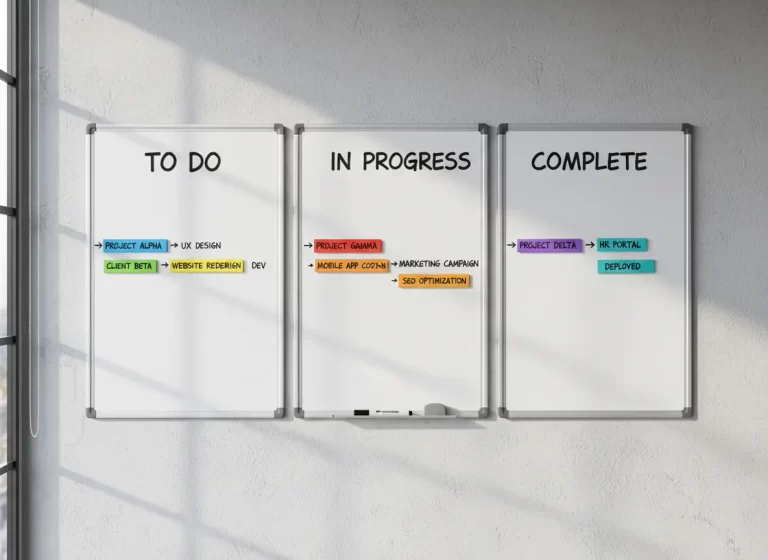
When schedules live in spreadsheets, group chats, or on a whiteboard, the same issues repeat:
- Jobs get missed or double-booked
- Crews drive longer routes than needed
- Technicians arrive without full job details
- Office staff spends hours chasing updates
- Customers lose trust after late or missed visits
This is not a people problem. This is a system problem.
Every extra mile driven wastes fuel. Every missed update costs time. Every scheduling error chips away at profit.
The damage adds up quietly. The business stays busy but never feels efficient.
Shared calendars stop this by creating one source of truth. Everyone sees the same schedule. Updates happen in real time. Fewer mistakes. More completed jobs. Less chaos.
Shared Calendar vs Traditional Scheduling Methods
| Scheduling Method | Common Problems | Business Impact |
|---|---|---|
| Spreadsheets | Manual updates, version confusion, outdated information | More scheduling mistakes and wasted admin time |
| Group Chats | Important updates get buried in conversations | Missed changes and poor visibility |
| Whiteboards | No remote access or real-time updates | Office and field teams become disconnected |
| Shared Calendar Software | Centralized scheduling with live updates | Better coordination, fewer errors, and improved productivity |
Beyond Convenience: Unlocking Real Operational Benefits
A shared calendar is far more than a digital appointment book; it’s the central nervous system for your entire field operation. By moving away from fragmented systems, you create a single source of truth that enables powerful team synchronization. Imagine having real-time visibility into every technician’s schedule, location, and job status. Dispatchers can instantly identify the closest available technician for an emergency call, managers can balance workloads to prevent burnout, and crews can see all necessary job details right on their mobile devices. This level of transparency eliminates communication bottlenecks and transforms reactive problem-solving into proactive strategic planning.
Calculating the ROI: 4 Ways Shared Calendars Save You Money
The shift to a shared calendar delivers tangible cost savings and a significant return on investment. The operational benefits are not just theoretical; they directly impact your bottom line. Here’s how you can start quantifying the value:
1. Reduced Fuel Costs & Travel Time
With a clear view of all job locations and technician schedules, you can optimize routes logically. Grouping jobs by geographic area drastically cuts down on unnecessary driving, saving thousands of dollars per year in fuel and vehicle maintenance while reducing your carbon footprint.
Managing Jobs Across Service Areas and Locations
Field service work rarely happens in one place. Many teams cover multiple service zones, neighborhoods, or cities in a single day. Without location-aware scheduling, travel time increases and response speed drops.
Shared calendars improve geographic coordination by:
- organizing jobs by service area or territory
- grouping nearby appointments to reduce travel time
- adjusting schedules based on distance between locations
- helping dispatch assign the closest available technician
- maintaining visibility across multiple operating regions
When scheduling reflects real geographic coverage, teams move more efficiently and customers receive faster service.
2. Increased Billable Hours
Less time spent driving between distant jobs or waiting for scheduling updates means more time on-site completing billable work. A shared calendar helps you fit more jobs into each day, directly boosting revenue without increasing your team’s hours.
3. Minimized Errors & Re-Work
Ensure the right technician with the right skills and equipment is sent to the job the first time. By attaching job notes, customer history, and required parts directly to the calendar event, you eliminate costly return visits and improve first-time fix rates.
4. Lowered Administrative Overhead
Calculate the hours your office staff spends making confirmation calls, manually adjusting schedules, and relaying information to the field. A shared calendar automates much of this, freeing up your administrative team for higher-value tasks that grow the business.
From Chaos to Control: Implementing Team Synchronization with MBP
Implementing a powerful shared calendar system doesn’t have to be complicated. MyBusinessPortal.Cloud makes the transition seamless, providing an intuitive platform built for the unique demands of field service management. Our drag-and-drop interface allows dispatchers to create, assign, and modify jobs in seconds. Your field crews get instant updates on their mobile devices, complete with driving directions, customer contact information, and job-specific notes. This isn’t just a calendar; it’s a tool for superior strategic planning, allowing you to forecast resource needs, track team performance, and make data-driven decisions that enhance overall business efficiency.
A shared calendar becomes more powerful when connected with work management software, CRM software, HR management, accounting software, and inventory tracking. This allows field service teams to connect schedules, customers, employees, materials, job details, and billing workflows in one system.
Conclusion
A shared calendar is not a simple administrative tool; it’s a strategic asset that delivers a quantifiable ROI. By enhancing team synchronization, optimizing routes, and reducing errors, you unlock significant cost savings and dramatically improve your operational benefits. Stop letting outdated scheduling methods dictate your profitability. It’s time to move beyond guesswork and start making informed decisions that drive growth. MyBusinessPortal.Cloud provides the integrated field service management tools you need to transform your operations, improve efficiency, and see a real return on your investment.
Improve Scheduling Accuracy With One Shared Calendar
Stop managing field schedules through spreadsheets, messages, and manual updates. MBP helps teams manage calendars, jobs, customers, employees, and workflows from one connected platform.
Frequently Asked Questions
How have you optimized team calendars to ensure maximum productivity?
We use one shared calendar for all jobs. Every task includes time, location, and technician. Jobs are grouped by area, updates happen in real time, and crews get instant notifications. Less coordination. More billable work.
What is a shared calendar in field service management?
A shared calendar is a centralized scheduling system where dispatchers, technicians, and office staff view and update the same real-time job schedule. It eliminates confusion by replacing spreadsheets, whiteboards, and scattered messages with one unified source of truth.
How does a shared calendar reduce scheduling errors?
When everyone works from the same live schedule, double bookings and missed appointments decrease significantly. Real-time updates ensure changes are visible instantly, preventing outdated information from causing operational disruptions.
Why are calendars more effective than to-do lists?
To-do lists track tasks. Calendars run schedules. Calendars show who is doing what, where, and when. They prevent overbooking, adjust in real time, and keep the whole team aligned. To-do lists can’t do that.
How does a shared calendar improve field technician productivity?
A shared calendar improves technician productivity by showing assignments, locations, customer details, job timing, and updates in one place. Technicians spend less time asking for information and more time completing work.
Can shared calendars reduce fuel costs for field service teams?
Yes. Shared calendars help dispatchers group jobs by location, optimize routes, and assign nearby technicians. This reduces unnecessary driving, fuel expenses, and travel time.
What should a field service calendar include?
A field service calendar should include job schedules, technician assignments, locations, customer details, job notes, deadlines, status updates, and real-time notifications.