Spreadsheets start simple. Then they start costing you work.
Missed job entries lead to lost appointments. Outdated client details cause scheduling errors. Untracked invoices delay payment. Double bookings waste crew time. One wrong edit creates confusion across the team. These problems do not stay small. They reduce revenue, slow operations, and damage customer trust.
As your workload grows, manual tracking struggles to keep up. More jobs, more clients, and more moving parts increase the risk of mistakes. When information lives in scattered files and versions, small errors turn into missed opportunities and lost income.
Spreadsheets: Simple but Limited
Spreadsheets are familiar and easy to use. You can track job orders, client names, invoices, and even schedule follow-ups. The problem? They don’t scale well.
When you’re juggling more clients and team members, it gets harder to keep everything accurate and up to date. One wrong cell entry or forgotten row could mean a missed job or lost payment. Plus, collaboration is tricky, only one person can safely make changes at a time without risking data loss or confusion.
CRM Tools: Built for Business Growth
A CRM is designed specifically to manage client relationships and business workflows. It does more than store names and phone numbers, it tracks interactions, schedules appointments, automates reminders, and helps you see your pipeline at a glance.
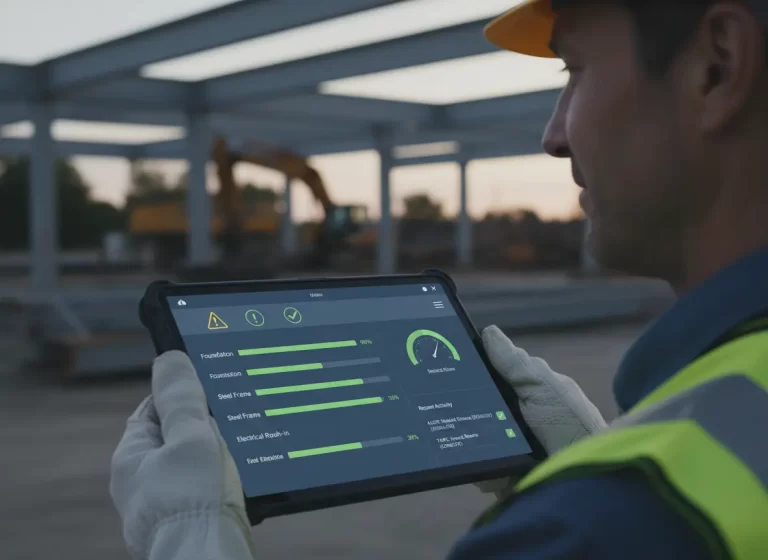
CRM for tradesmen and contractors keeps your jobs moving without the chaos. You get automatic alerts, easier follow-ups, and a full picture of each client’s history. No more flipping through files or guessing who needs a callback.
Benefits of CRM for Tradesmen and Small Service Teams
A CRM provides:
• Central client records
• Job tracking in one dashboard
• Automated follow-up reminders
• Invoice and payment visibility
• Shared team access
• Clear sales pipeline tracking
Instead of reacting to problems, you operate with visibility and control.
Time Saved Means Money Earned
With a spreadsheet, everything is manual. You enter data, sort columns, send reminders all by hand. A CRM automates those tasks. Imagine getting a daily summary of upcoming jobs, pending invoices, and customers who haven’t been contacted in a while all in one place.
This kind of time-saving doesn’t just help your workflow, it gives you back hours every week to focus on doing the actual work and bringing in new business.
Easier Team Collaboration
If you’re working with a crew, spreadsheets can be a bottleneck. Who updated what? Which version is correct? A CRM solves this by giving your whole team access to the same live dashboard. Everyone stays on the same page, from job progress to client notes without endless back-and-forth.
Which One Should You Use?
If you’re just starting out and have only a few clients, spreadsheets might work for now. But if you’re handling multiple jobs, growing your client base, or managing a team, a CRM is the smarter choice. It’s more reliable, more efficient, and better suited to the way trades-based businesses actually run.
Final Thoughts
Your tools should grow with your business. While spreadsheets may get you started, a CRM will take you further with fewer headaches and more control. If you’re ready to streamline your workflow and scale with confidence, MyBusinessPortal.cloud offers a CRM solution built specifically for tradesmen, contractors, and small businesses. Designed to simplify scheduling, job tracking, and client management all in one place, it’s time to upgrade the way you work.
Stop Managing Jobs. Start Managing Growth.
Spreadsheets track data.
A CRM drives operations.
If you’re serious about scaling without chaos, see how MyBusinessPortal.cloud simplifies dispatch, scheduling, CRM, and job tracking in one platform.