In the world of business, successful project delivery hinges on one key factor: organization. When your team is aligned, your data is centralized, and your workflows are clear, projects move forward smoothly. As someone who’s worked closely with growing teams and seen firsthand how quickly things can fall through the cracks, I believe no tool supports that level of coordination better than a good CRM system.
Customer Relationship Management (CRM) software has evolved far beyond its original purpose of sales tracking. Today, it’s a strategic command center especially for businesses managing multiple projects, client demands, and operational tasks. When integrated with project management capabilities, CRM becomes a powerful engine that drives efficiency, clarity, and collaboration across your workforce.
Let’s explore how CRM systems are revolutionizing project management and why it might be the key to unlocking your business’s full potential.
Quick Answer
How does CRM help keep projects on track?
CRM helps keep projects on track by centralizing customer information, project updates, tasks, communication, and deadlines in one system. Teams gain real-time visibility into project progress, reduce communication gaps, and coordinate work more efficiently across departments. This improves accountability, speeds up decision-making, and helps businesses deliver projects on time.
How CRM Software Keeps Projects Organized From Start to Finish
At its core, CRM project management refers to the integration of customer relationship management functionalities with project tracking capabilities. While traditional CRMs are designed to manage contacts, sales pipelines, and customer interactions, a CRM equipped with project management tools allows businesses to handle post-sale execution, monitor task progress, and maintain communication all within a single platform.
Instead of using multiple platforms to track client communication, assign tasks, and log progress, businesses can rely on one centralized system. This creates consistency, reduces redundancy, and improves visibility for everyone involved.
The result? A seamlessly coordinated project lifecycle where every team member knows their role, understands customer needs, and has access to the information they need to succeed.
Why CRM Improves Project Tracking and Team Alignment
Use Centralized Client Data to Make Faster Project Decisions
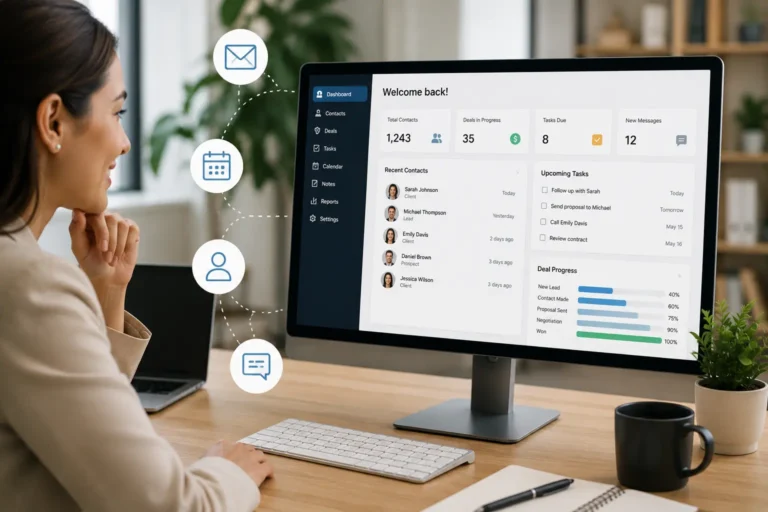
Imagine a single hub where all customer information, project timelines, communications, and task details live. That’s what CRM provides. Centralized customer data allows teams to access real-time updates, reduce miscommunication, and deliver better service faster.
This centralization not only keeps everyone on the same page but also ensures that any team member stepping into the project can hit the ground running.
How CRM Reduces Communication Gaps Between Teams
Communication breakdowns are one of the top reasons projects fall behind schedule. CRM systems with project management capabilities make internal and external communication clearer and more efficient. Automated updates, shared timelines, and integrated chat or comment features help ensure that no message goes unnoticed.
With streamlined communication tools, everyone knows what’s happening, what’s expected, and what’s next.
Track Project Progress in Real Time With CRM
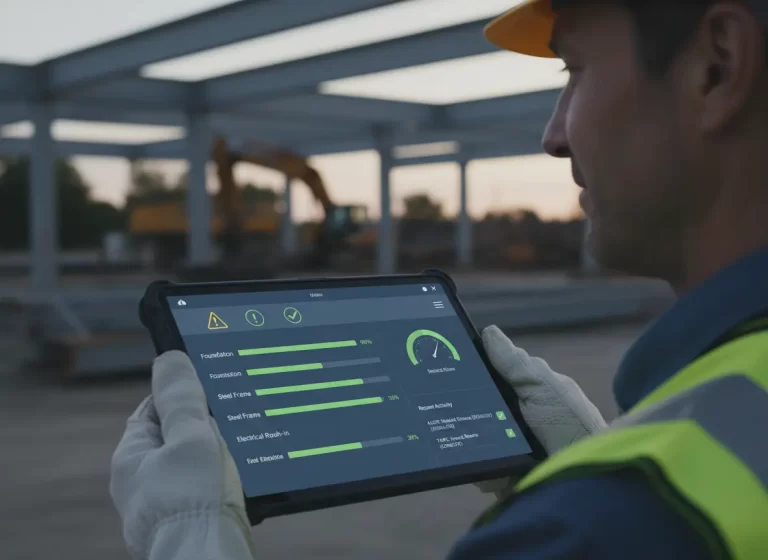
A modern CRM lets you set milestones, assign tasks, and monitor progress in real time. Whether you’re managing a simple client onboarding or a complex field service deployment, you can track every step without needing to switch platforms.
This level of oversight helps managers proactively identify bottlenecks and adjust resources accordingly before problems escalate.
Improve Team Collaboration With a Shared CRM Platform
Cross-functional collaboration is essential in any successful project. CRM platforms facilitate collaboration by enabling shared access to documents, timelines, customer feedback, and updates.
With everyone working from the same source of truth, teams are better equipped to collaborate efficiently and avoid redundant efforts or conflicting actions.
Use CRM Insights to Better Serve Clients
A CRM isn’t just about the project, it’s about the people the project serves. By analyzing historical data, feedback, and ongoing interactions, CRM software helps teams anticipate customer needs and customize their approach.
Being attuned to these needs leads to better service delivery, stronger client relationships, and more repeat business.
Make Better Project Decisions With CRM Reporting
Effective project management is rooted in solid decision-making. With CRM analytics, leaders gain access to actionable insights based on real-time data. Whether it’s measuring productivity, client satisfaction, or team efficiency, data-driven decision making helps refine strategies and improve outcomes.
Better decisions lead to better projects, and better projects lead to a thriving business.
Essential CRM Features for Contractor Project Management
When choosing a CRM for project management, not all features are created equal. Look for platforms that offer:
- Task Management: Assign, prioritize, and track tasks with deadlines and status updates.
- Calendar Integration: Sync tasks and milestones with team calendars to avoid overlaps.
- Document Sharing: Central storage for contracts, briefs, and reports that the team can access anytime.
- Automated Workflows: Reduce repetitive tasks and ensure timely follow-ups.
- Custom Reporting: Visual dashboards to track KPIs and project health.
- Client Communication Tools: Built-in messaging, email tracking, and call logs to maintain customer engagement.
The more integrated the features, the smoother your project execution will be.
Why CRM Is More Than a Customer Management Tool
Absolutely. CRM doesn’t just aid project management, it transforms it.
By bridging the gap between customer management and operational execution, CRM tools empower businesses to align their teams, deliver consistent results, and scale effectively. Whether you’re a contractor managing multiple job sites or a tradesman juggling several client requests, a CRM allows you to handle the chaos with confidence.
It brings visibility to every stage of the project, enabling you to course-correct early, keep clients informed, and ensure your team is always one step ahead.
In today’s competitive landscape, efficiency isn’t optional, it’s survival. CRM gives you the foundation to operate smarter, not harder.
Keep Projects on Track With the Right CRM System
Workforce improvement isn’t just a passion, it’s a necessity in the modern business world. With tools like CRM, companies no longer have to choose between great customer service and operational efficiency. You can have both.
So, if you’re still managing projects with spreadsheets, scattered emails, or siloed apps, it might be time to consider an all-in-one CRM solution designed to keep projects on track and clients satisfied.
MyBusinessPortal.cloud offers powerful business management solutions tailored for contractors, tradesmen, and small businesses. From project tracking to real-time updates, we help you build a smarter, more organized workforce, one project at a time.
Frequently Asked Questions
How does CRM help keep projects on track?
CRM helps keep projects on track by centralizing customer information, project updates, tasks, communication, and deadlines in one system. Teams gain real-time visibility into project progress and can coordinate work more effectively across departments. This improves accountability, reduces delays, and helps projects stay on schedule.
Why is centralized project information important?
Centralized information ensures that everyone works from the same source of truth. Instead of searching through emails, spreadsheets, or multiple apps, team members can access customer details, project updates, and task statuses from one location. This reduces confusion and speeds up decision-making.
How does CRM improve communication during projects?
CRM systems keep project communication organized by storing updates, conversations, notes, and client interactions in one platform. Teams can easily track discussions and stay informed about project changes. Better communication reduces misunderstandings and helps projects move forward smoothly.
How does CRM help contractors manage multiple projects?
CRM allows contractors to track project timelines, client communications, task assignments, and progress updates from one dashboard. Managers can quickly see which projects need attention and allocate resources more effectively. This visibility makes it easier to manage multiple active jobs simultaneously.