The shift to hybrid and remote work in Hawaii has been a game-changer, but it’s also introduced a new wave of complex HR challenges. How do you maintain a strong company culture with a distributed team? How can you ensure seamless virtual onboarding and equitable employee management? Juggling compliance, engagement, and performance across multiple locations can feel overwhelming.
Quick Answer
How do HR tools help manage hybrid and remote teams?
HR tools help manage hybrid and remote teams by centralizing employee records, schedules, onboarding, communication, and performance tracking in one system.
These tools give managers better visibility across locations, reduce administrative work, improve accountability, and help employees stay connected wherever they work.
How HR Tools Simplify Hybrid Workforce Management
Managing a distributed team without the right tools is like navigating the ocean without a compass. The key to success is leveraging HR technology that centralizes information and automates routine tasks. A robust Human Resource Information System (HRIS) becomes your single source of truth for everything from payroll and benefits administration to time-off tracking. Implementing effective communication platforms like Slack or Microsoft Teams fosters collaboration, while dedicated performance management software ensures feedback is consistent and fair for all employees, regardless of their location. This tech stack doesn’t just improve efficiency; it ensures every team member has equal access to resources and opportunities.
Hybrid HR Management vs Manual HR Processes
| Area | Manual HR Processes | HR Management Tools |
|---|---|---|
| Employee Information | Stored across files, spreadsheets, and emails | Centralized employee records |
| Remote Team Visibility | Difficult to track schedules and availability | Real-time workforce visibility |
| Performance Tracking | Depends on manual updates and meetings | Tracks goals, feedback, and progress |
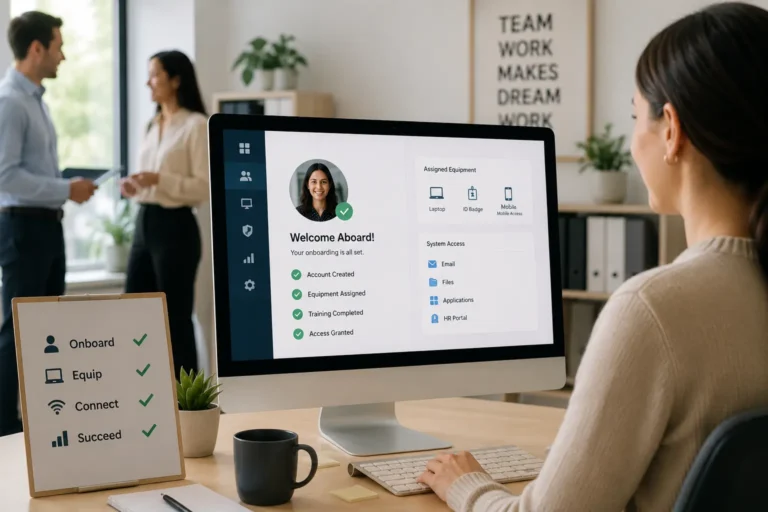
| Onboarding | Requires repeated manual steps | Creates consistent onboarding workflows |
| Communication | Information becomes scattered | Keeps employee updates organized |
How HR Tools Build Trust and Accountability
In a hybrid environment, micromanagement is a recipe for failure. The most successful remote HR strategies are built on a foundation of trust and workplace flexibility. This means shifting the focus from hours logged to results achieved. By setting clear expectations, defining key performance indicators (KPIs), and empowering your team with autonomy, you foster a sense of ownership and boost morale. This approach offers significant benefits:
- Attract Better Talent: Flexibility is one of the most sought-after perks for modern professionals.
- Improve Employee Retention: Employees who feel trusted and respected are more likely to stay long-term.
- Increase Team Productivity: Empowered employees are often more motivated and engaged in their work.
- Support Employee Well-Being: A healthy work-life balance reduces burnout and stress.
Manage Hybrid Teams With One Connected HR System
The future of work is hybrid, and thriving in it means rethinking how you manage and support your people. Modern HR isn’t just about payroll and paperwork, it’s about connection, culture, and collaboration across any distance. By using tools that centralize employee data, streamline communication, and automate key HR tasks, you can create a workplace that’s flexible yet cohesive.
MyBusinessPortal.Cloud brings together HR, Work Management, Calendar, and CRM features to help you manage distributed teams efficiently and keep everyone aligned. MBP also connects HR operations with Accounting and Inventory to help businesses manage employees, operations, resources, and daily workflows in one connected platform. Don’t let distance hold your company back, build a smarter, more connected workforce with MBP today.
Build a More Connected Hybrid Workforce
MBP helps businesses manage employee information, schedules, performance updates, and team communication in one connected HR system.
Reduce scattered processes, improve workforce visibility, and give remote and hybrid teams the structure they need to succeed.
Hybrid and Remote HR FAQs
What is hybrid workforce management?
Hybrid workforce management refers to managing employees who split their time between remote and in-office work. It requires systems that track performance, communication, and availability across different locations.
Why is managing hybrid teams more challenging than in-office teams?
Hybrid teams have reduced visibility and rely heavily on digital communication. Without structured systems, information becomes scattered and coordination gaps start affecting performance.
How do HR tools help manage remote and hybrid teams?
HR tools centralize employee data, automate routine tasks, and provide visibility into schedules and performance. This helps teams stay organized and aligned even when working from different locations.
Why is visibility important in hybrid workforce management?
Visibility helps managers understand who is working, what they are working on, and where support is needed. Without visibility, small coordination gaps can turn into missed deadlines, uneven workloads, and employee frustration.
How can companies maintain culture with remote employees?
Companies can maintain culture through regular communication, clear expectations, and consistent employee engagement practices. HR tools help by supporting check-ins, announcements, onboarding, and performance feedback in one place.
What HR features are useful for hybrid teams?
Useful HR features for hybrid teams include employee records, scheduling, onboarding workflows, performance tracking, communication tools, and digital document management.
How do HR tools improve remote employee accountability?
HR tools improve accountability by creating visibility into goals, schedules, responsibilities, feedback, and employee progress without requiring constant supervision.
Can small businesses use HR tools for remote teams?
Yes. Small businesses can use HR tools to organize employee information, simplify communication, manage schedules, and support consistent workforce processes as teams grow.