
Tax season becomes stressful when receipts, expenses, invoices, and job records are scattered across spreadsheets, bank accounts, email, paper folders, and vehicle gloveboxes.
For contractors, the problem usually builds throughout the year. Receipts are saved without being connected to specific jobs, expenses are entered late, and financial reports remain incomplete until filing deadlines are already close.
Contractor accounting software creates a consistent process for recording financial activity as it happens. This makes it easier to track expenses, review cash flow, organize job costs, and prepare reliable information for tax filing.
Quick Answer
How does accounting software keep contractors tax-ready?
Accounting software keeps contractors tax-ready by organizing income, expenses, receipts, invoices, payments, and job costs throughout the year. Instead of rebuilding financial records at tax time, contractors can maintain current reports, connect expenses to projects, and give their accountant cleaner information.
What Accounting Software Does for Small Businesses
Accounting software is a digital system that helps businesses track income, expenses, invoices, and financial records in one organized platform.
Instead of manually recording transactions in spreadsheets or storing receipts in folders, accounting software automatically records financial activity and generates reports.
Small businesses commonly use accounting software to:
• track business income and expenses
• store digital receipts and invoices
• generate profit and loss reports
• prepare tax-ready financial summaries
• monitor cash flow throughout the year
By keeping financial records organized in real time, businesses avoid the last-minute scramble that often happens during tax season.
Why Tax Season Feels Stressful for Contractors
Because receipts pile up slowly, reports stay unfinished, and no system is tracking everything in real time. By the time taxes are due, you’re not filing, you’re rebuilding your entire financial history from scratch.
How Disorganized Bookkeeping Costs Contractors Money
Let’s be real, manual bookkeeping is exhausting. Even if you’ve got a spreadsheet going, it likely involves hours of double-checking, manual entry, receipt scanning, and guesswork. That time adds up and so does the mental load.
Here’s what that disorganization could be costing you:
- Missed deductions that could have saved you hundreds (or thousands).
- Late filings or payment penalties due to lost or incomplete records.
- Stress and burnout that creep in during your busiest seasons.
If you’ve ever filed your taxes and then found a receipt in your glovebox the next day, you already know the feeling.
Why Spreadsheets Fail Contractor Bookkeeping
When you’re running a lean operation, spreadsheets seem like the obvious choice. They’re accessible and you know your way around them. But they weren’t built to handle the day-to-day complexity of running a business in the trades.
- They don’t send reminders when you’re missing entries.
- They don’t automatically back up your data if your device crashes.
- They don’t help you connect job expenses to specific clients or projects.
- And they definitely don’t give you a clean report to hand off to your accountant in a few clicks.
As your client list grows and projects multiply, spreadsheets quickly turn into a liability instead of a tool. See when contractors should stop managing business finances manually and move to a more reliable accounting process.
Contractor Accounting Problems and Software Fixes
| Contractor Accounting Problem | Business Impact | Software Fix |
|---|---|---|
| Lost receipts | Missed deductions and incomplete tax records | Digital receipt uploads and organized expense storage |
| Manual spreadsheets | Higher risk of errors and duplicate work | Automated income and expense tracking |
| Untracked job costs | Harder to know which projects are profitable | Job-based expense tracking |
| Late invoices | Slower cash flow and payment delays | Invoice tracking and payment visibility |
| Disconnected records | More time spent preparing reports | Centralized financial dashboard |
| Tax season scrambling | Stress, missed details, and rushed filing | Year-round tax-ready financial summaries |
How Accounting Software Keeps Contractors Tax-Ready
Imagine this instead:
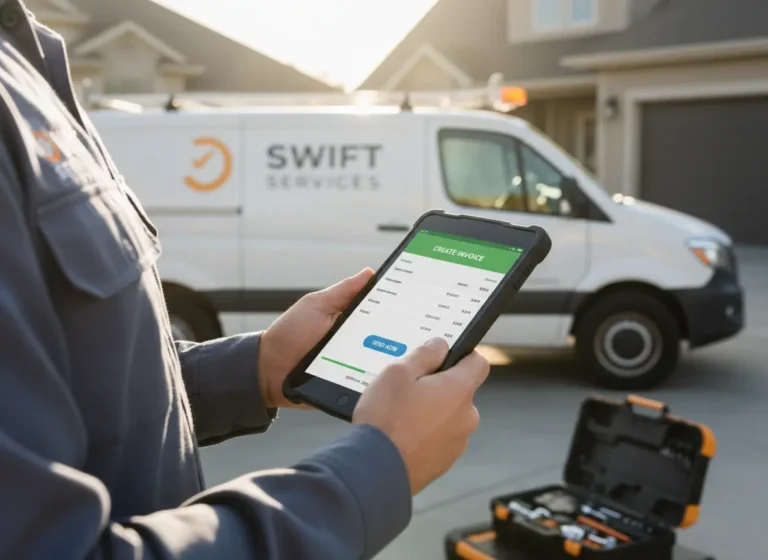
You finish a job, snap a picture of the receipt, and log it right then and there. The expense automatically gets tagged to the right project. Your revenue and expense reports are generated in real time. At tax time, everything is already sorted, no more panic, no more guesswork.
That’s what a modern business management platform can do.
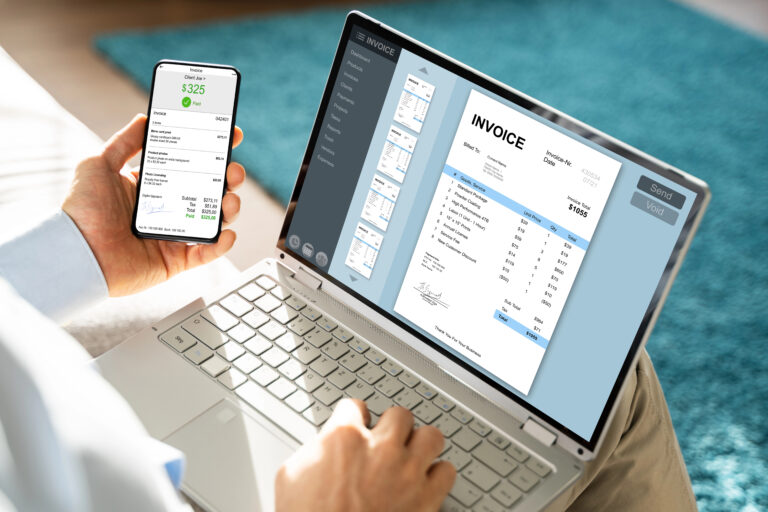
By switching to a system that’s built for your business, you stop managing chaos and start running your business with clarity. Every invoice, payment, expense, and tax detail lives in one dashboard that works for you, not the other way around. A connected contractor accounting system helps organize receipts, expenses, invoices, payments, and financial reports in one place.
Contractors can manage finances more efficiently when accounting is connected with accounting software, work management tools, scheduling software, and CRM tools. This helps connect job details, customer records, schedules, invoices, and expenses in one organized business system.
What Contractors Should Track Throughout the Year
Contractors should consistently record:
- Customer invoices and payments
- Business purchases and operating expenses
- Digital copies of receipts
- Materials purchased for each job
- Subcontractor and labor costs
- Vehicle and equipment expenses
- Outstanding customer balances
- Refunds and credits
- Job revenue and profitability
- Financial documents requested by their accountant
Recording these details throughout the year reduces the amount of financial information that must be reconstructed during tax preparation.
Spend Less Time on Bookkeeping
At the end of the day, you didn’t start your business to spend your nights wrestling with Excel or searching for receipts under your truck seat. You want to serve your clients, grow your team, and build something that lasts.
But that only happens when your back office runs just as efficiently as your job site.
Automating your financial tracking and reporting isn’t just about saving time, it’s about taking control. It’s about knowing where your business stands at any moment and being prepared for whatever comes next whether it’s tax season or a new contract. Contractors can also improve financial visibility by learning how to track job profitability in real time.
Why Better Financial Visibility Helps Contractors Grow
Better financial visibility helps contractors understand where money is coming from, where it is going, and which jobs are actually profitable.
When accounting records are updated throughout the year, business owners can make better decisions about pricing, staffing, materials, scheduling, and cash flow. Instead of waiting until tax season to discover problems, contractors can spot financial issues earlier and take action before they affect growth.
With the right software, contractors can track income, expenses, receipts, invoices, and reports without relying on scattered spreadsheets or last-minute manual work.
Replace Tax Season Stress With Year-Round Accounting
There’s a reason tax season always feels stressful: it exposes the gaps in your system. But it doesn’t have to be this way.
You don’t need to become a bookkeeper. You just need the right tools to make the process easier and more accurate so you can stop playing catch-up.
Get Contractor Accounting Under Control
Stop chasing receipts, rebuilding reports, and sorting financial records at the last minute. MBP helps contractors organize expenses, invoices, receipts, job costs, and tax-ready records in one connected platform.
Stay Tax-Ready With Contractor Accounting Software
If you’re still chasing receipts and patching together spreadsheets when tax time hits, you’re working harder than you need to. With MyBusinessPortal.cloud’s accounting software, you can track expenses, upload receipts, automate reports, and keep your business tax-ready every single day. It’s built for tradesmen, contractors, and small business owners who want to spend less time on paperwork and more time on real work.
Get organized, stay ready, and make tax season just another day on the calendar.
Contractor Accounting Software FAQs
What is accounting software for small businesses?
Accounting software is a digital system that tracks income, expenses, invoices, and financial records in a single organized platform. Rather than recording transactions manually, it automates financial activity and generates reports — covering things like profit and loss summaries, digital receipt storage, cash flow monitoring, and tax-ready financials.
Why does tax season feel like an emergency every year for contractors?
Because most contractors have no system tracking their finances in real time. Receipts pile up slowly, reports stay unfinished, and by the time taxes are due, you’re not filing — you’re rebuilding your entire financial history from scratch.
What does disorganized bookkeeping actually cost a contracting business?
The costs show up in three ways: missed deductions that could have saved hundreds or thousands of dollars, late filing penalties due to lost or incomplete records, and burnout from carrying the mental load of financial chaos into your busiest seasons.
Why do spreadsheets fail contractors as a long-term bookkeeping solution?
Spreadsheets weren’t built for business complexity. They don’t send reminders for missing entries, don’t automatically back up your data if your device fails, and can’t connect job expenses to specific clients or projects. They also can’t generate a clean report for your accountant in a few clicks. As your client list and project volume grow, spreadsheets become a liability.
How does accounting software help contractors track receipts?
Accounting software helps contractors track receipts by allowing them to upload, store, and organize receipt records digitally. This reduces the risk of lost paperwork and makes it easier to match expenses with jobs.
Why is job cost tracking important for contractors?
Job cost tracking is important because it helps contractors understand how much each project really costs. This includes labor, materials, equipment, mileage, subcontractors, and other job-related expenses.
Can accounting software help contractors improve cash flow?
Yes. Accounting software can help improve cash flow by tracking invoices, payments, expenses, and outstanding balances. This gives contractors better visibility into money coming in and going out.
What should contractors look for in accounting software?
Contractors should look for accounting software that includes expense tracking, receipt storage, invoicing, job costing, payment tracking, financial reports, mobile access, and tax-ready summaries.
Is accounting software better than spreadsheets for contractors?
Yes. Accounting software is usually better than spreadsheets because it reduces manual entry, improves organization, connects financial records to real jobs, and helps contractors prepare cleaner reports.