If your invoices are getting sent late, missed altogether, or tracked in five different places, you’re not just creating extra admin work, you’re putting your business cash flow at risk.
Invoicing is how you get paid. When it’s inconsistent, your income becomes unpredictable. And for small contractors or service businesses, that unpredictability can slow growth, delay payroll, and make it harder to manage materials and resources.
Quick Answer
How does inconsistent invoicing hurt your cash flow?
Inconsistent invoicing hurts cash flow by delaying when customers are billed and making unpaid balances harder to track. Late invoices, missed charges, incorrect job details, and inconsistent follow-ups can slow payments and create additional administrative work for contractors.
| Invoicing Issue | Cash Flow Impact |
|---|---|
| Late invoices | Delayed revenue collection |
| Missing invoices | Lost or delayed payments |
| Incorrect amounts | Accounting errors and disputes |
| Multiple invoice formats | Confuses customers, slows payment |
| Manual processes | Increases administrative time |
| Inconsistent follow-ups | Longer collection cycles |
MBP helps small businesses centralize financial operations:
- Accounting software – Automate invoices, track payments, and reconcile accounts.
- Work Management software – Link invoices to jobs and track progress.
- CRM software – Connect client communication and follow-ups to invoicing.
- Calendar software – Schedule billing cycles and reminders.
What Is Inconsistent Invoicing?
Inconsistent invoicing happens when invoices are sent late, created manually, tracked in different places, or handled differently by each team member.
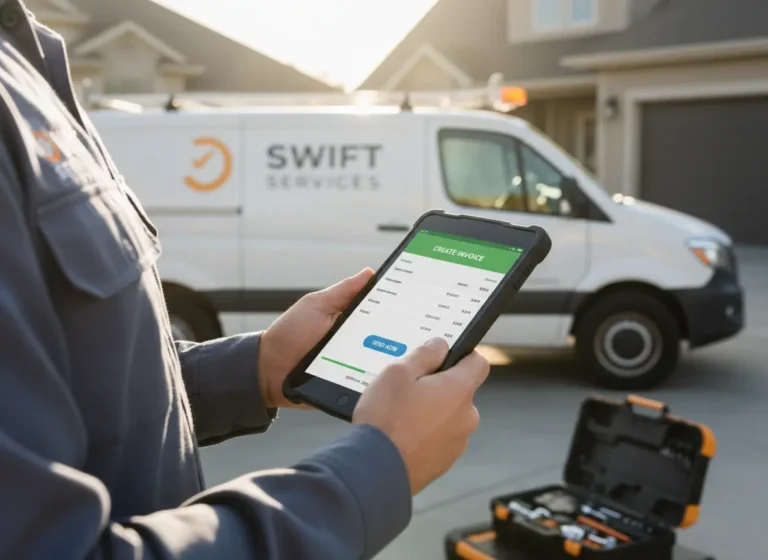
For contractors and tradesmen, this usually happens when billing depends on spreadsheets, paper notes, text messages, or memory.
A few common examples include:
- Sending invoices days or weeks after the job ends
- Forgetting to bill for added work
- Sending invoices with missing job details
- Tracking payments in separate spreadsheets
- Using different invoice formats for different jobs
- Not knowing which invoices are paid or overdue
The result is simple: money comes in slower than expected.
How Inconsistent Invoicing Hurts Cash Flow
Cash flow depends on timing.
Even profitable jobs create financial stress when invoices go out late or payments get missed. Your business still needs to cover payroll, fuel, supplies, vendor bills, and admin costs while waiting for customers to pay.
Inconsistent invoicing creates problems because it delays the point where money enters the business.
When your team lacks a clear invoicing process, you risk:
- Slower payments
- Missed charges
- Confused customers
- Unpaid invoices
- Poor cash flow forecasting
- More admin follow-up
- Less control over revenue
The longer invoicing takes, the harder it becomes to keep business operations stable.
Invoicing Problems and Business Impact
| Invoicing Problem | Business Impact |
|---|---|
| Invoices sent late | Payments arrive late and cash flow slows down |
| Missing job details | Customers question the invoice or delay payment |
| Unbilled change orders | The business loses revenue from extra work |
| Manual invoice tracking | Admin teams spend more time checking payment status |
| No overdue invoice visibility | Collections become reactive instead of planned |
| Different invoice formats | Customers get confused and trust drops |
| Disconnected job and billing records | Accounting teams struggle to match work completed with money owed |
Make Invoicing Easier to Track
MBP helps contractors organize accounting activity, job records, customer details, and invoice tracking in one connected system so your business gets clearer visibility into payments and cash flow.
Explore AccountingManual Invoicing vs Organized Accounting System
| Area | Manual Invoicing | Organized Accounting System |
|---|---|---|
| Invoice creation | Built from notes, spreadsheets, or memory | Created from organized job and customer records |
| Payment tracking | Checked manually | Easier to monitor from one place |
| Change orders | Often missed or billed late | Easier to connect to the job record |
| Customer communication | Requires more back-and-forth | Gives clearer billing details |
| Overdue invoices | Hard to spot quickly | Easier to review and follow up |
| Cash flow planning | Based on guesswork | Based on clearer invoice and payment visibility |
Signs Your Invoicing Process Is Slowing Cash Flow
Your invoicing process may need improvement if:
- Invoices go out days after the job ends
- Customers ask what the charges are for
- Your team forgets to bill for extra work
- Payment status lives in a spreadsheet
- You do not know which invoices are overdue
- Admin staff spend too much time chasing updates
- Cash flow feels unpredictable even when work is steady
These issues point to a process gap, not a sales problem.
If the work gets done but the invoice goes out late, revenue still gets delayed.
How Better Invoice Tracking Helps Contractors Get Paid Faster
Better invoice tracking helps contractors send invoices sooner, spot unpaid balances faster, and reduce billing confusion.
A stronger invoicing process helps your team:
- Send invoices closer to job completion
- Match invoices to completed work
- Include accurate job details
- Track paid and unpaid invoices
- Follow up before invoices become a bigger issue
- Understand expected cash flow
- Reduce missed revenue from unbilled work
This gives business owners better control over money coming in.
Let’s take a closer look at how inconsistent invoicing hurts your cash flow and what you can do about it.
How MBP Helps Improve Invoicing and Cash Flow
MBP helps contractors organize the details connected to jobs, customers, accounting activity, and team updates.
With MBP, your business gets better visibility into:
- Customer records
- Job details
- Work completed
- Accounting activity
- Invoice tracking
- Payment status
- Team accountability
- Business reporting
This helps reduce billing confusion and gives your team a clearer view of cash flow.
Final Take
Your invoicing habits directly affect how and when you get paid. When invoices are sent late or missed entirely, your cash flow suffers, your stress level rises, and your ability to grow becomes limited.
A consistent system keeps your billing on track, your payments coming in, and your business moving forward.
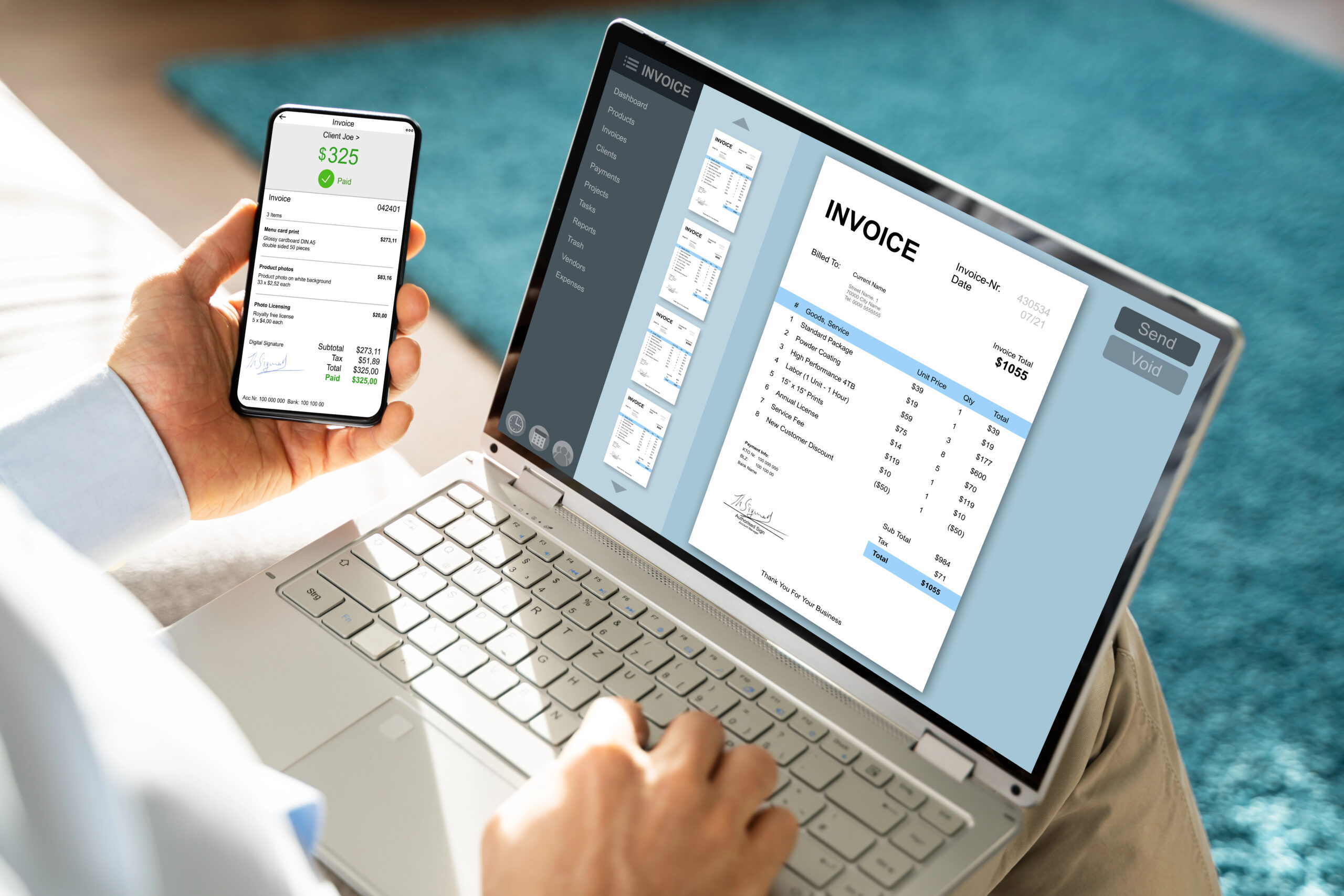
At MyBusinessPortal.cloud, our accounting tools are built to help small teams take control of their invoicing process. You can create, send, and track invoices in just a few clicks all from one simple platform designed for contractors.
Work Smarter With MBP
Keep Invoicing Connected to Completed Work
MBP helps contractors organize job records, customer details, accounting activity, invoices, and payment status so billing is easier to track from completed work through payment.
Explore MBP Accounting Schedule a DemoInconsistent Invoicing FAQs
Why does inconsistent invoicing hurt cash flow?
It delays payments, creates gaps in revenue, and increases administrative overhead, making it harder to pay bills on time.
How can automation help?
Automating invoices ensures timely, accurate billing, and connects payments to workflows for better cash flow visibility.
Can MBP improve invoicing consistency?
Yes. MBP automates invoice generation, tracks outstanding payments, and links accounting to job and client workflows.
What common mistakes cause delayed payments?
Late invoices, missing invoices, incorrect amounts, multiple formats, and manual follow-ups all slow revenue collection.
How often should businesses review invoices?
Businesses should review invoices often enough to identify unsent, unpaid, incorrect, or overdue invoices before they create larger cash flow problems. The appropriate frequency depends on billing volume and payment terms.