
For years, small businesses have relied on paper files to store employee records, contracts, time sheets, sick leave forms, ID copies, and everything in between. But as labor laws become stricter and teams grow more mobile, those filing cabinets are starting to look like a compliance risk waiting to happen.
That’s where cloud-based HR tools come in.
Quick Answer
How does cloud HR help small businesses improve compliance?
Cloud HR software helps small businesses improve compliance by organizing employee records, contracts, HR documents, time-off requests, policy acknowledgments, and important deadlines in one system. This makes records easier to find, update, review, and manage without relying on paper files, spreadsheets, or memory.
Paper HR vs Cloud HR Compliance
| Compliance Area | Paper HR Process | Cloud HR Software |
|---|---|---|
| Employee records | Stored in filing cabinets, folders, or physical forms. | Stored in one searchable digital employee profile. |
| Compliance documents | Hard to find, update, or verify quickly. | Easier to store, review, and organize in one system. |
| Contract renewals | Depend on calendar reminders or manager memory. | Can be tracked with reminders and due dates. |
| Time-off records | Stored in forms, emails, or spreadsheets. | Easier to manage with employee records and approvals. |
| Policy acknowledgments | Paper copies may be misplaced or incomplete. | Digital records can show what has been received and reviewed. |
| Data access | Files may be visible to the wrong person or hard to control. | User permissions help control who can view employee data. |
| Audit readiness | Records must be searched manually. | HR files are easier to search, organize, and prepare. |
How Cloud HR Keeps Compliance Simple
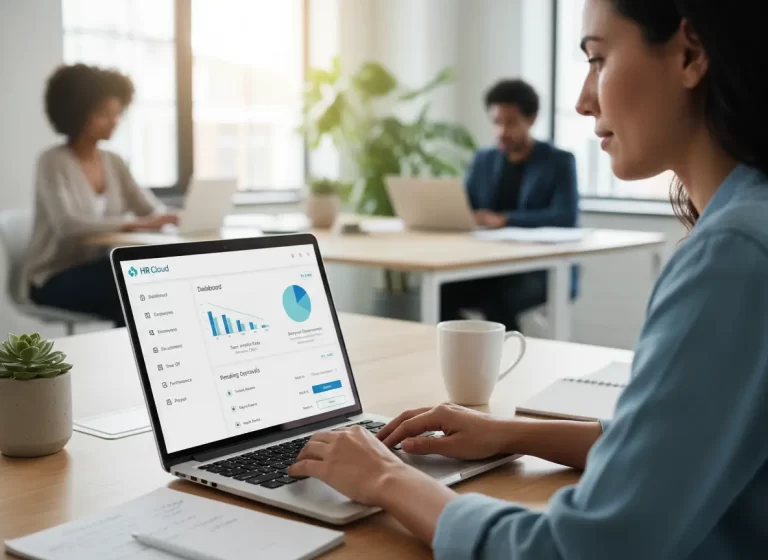
Cloud-based HR is a digital system that stores, manages, and updates employee records online instead of in physical files. It allows small businesses to track contracts, personal information, time off, compliance documents, and HR tasks in one secure platform. By centralizing employee data and automating reminders, cloud HR reduces administrative work and helps businesses stay compliant with labor laws as teams grow or become more distributed.
If you’re still managing HR with folders and file drawers, here’s how going digital not only simplifies your processes but protects your business.
1. Find Employee Records Fast
Need to double-check someone’s signed contract or find their emergency contact info? With cloud HR tools, you don’t have to dig through drawers or shuffle through stacks of forms.
Everything is stored in one secure place, searchable, sortable, and available on any device. That means less time lost to admin and more time running your business.
2. Keep HR Records Audit-Ready
Labor laws change. So do employee details, phone numbers, roles, schedules. If your HR records are static (like printed PDFs or paper logs), it’s easy to fall behind on updates.
With cloud systems, records can be updated instantly and shared across teams. Centralized HR records can make it easier to maintain current employee information and prepare documents when managers, HR staff, or auditors need to review them.
How Cloud HR Helps With Audit-Ready Records
Audit-ready HR records are easier to maintain when employee information is organized before anyone asks for it. Cloud HR software helps small businesses keep important documents in one place so records are easier to review, update, and verify.
| HR Record Type | Why It Matters for Compliance |
|---|---|
| Employee contracts | Shows employment terms, role details, and agreed conditions. |
| Policy acknowledgments | Confirms employees received and reviewed required policies. |
| Time-off records | Helps support leave tracking and workforce planning. |
| Employee details | Keeps contact information, role status, and emergency contacts updated. |
| Training records | Helps show whether employees completed required training. |
| Certifications | Helps track role-specific licenses or required renewals. |
| Exit documents | Helps keep employee separation records organized. |
The goal is not only to store documents. The goal is to make HR records easy to find when managers, HR staff, or auditors need them.
3. Never Miss Compliance Deadlines
Miss a deadline for submitting payroll reports or renewing a contract? That can cost you.
Many cloud HR tools include built-in reminders for things like:
- Expiring documents
- Upcoming reviews
- Contract renewal dates
- Time-off approvals
Instead of relying on sticky notes or someone’s memory, the system keeps you on track automatically.
4. Protect Employee Data Securely
Losing an employee folder isn’t just inconvenient, it’s a data privacy issue.
Cloud HR software can provide stronger access controls and more organized digital record management than shared paper files or spreadsheets, depending on the platform’s security features. Businesses should review user permissions, data protection, backups, and access controls before choosing a system.
5. Simplify Hiring and Employee Exits
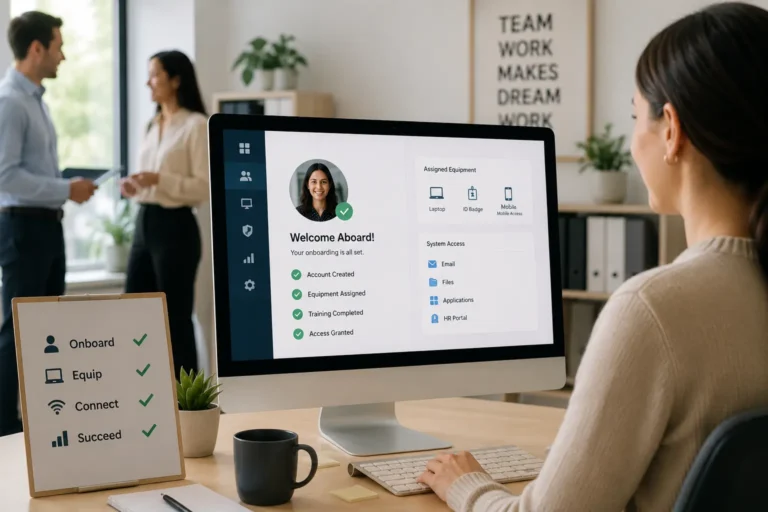
From signed contracts to ID submissions, onboarding used to involve a clipboard and a lot of scanning. Cloud HR turns it into a few clicks.
Employees can fill out forms remotely, upload documents, and even complete orientation steps from their phone or laptop. It’s faster, cleaner, and easier to manage at scale.
Cloud HR Features That Support Compliance
Cloud HR software supports compliance by making employee records, documents, requests, and deadlines easier to control. For small businesses, the biggest benefit is having one reliable place to manage HR information instead of chasing paperwork across folders, inboxes, and spreadsheets.
| Cloud HR Feature | How It Supports Compliance |
|---|---|
| Centralized employee records | Keeps HR information easier to find and update. |
| Document storage | Organizes contracts, forms, policies, and employee files. |
| Deadline reminders | Helps prevent missed renewals, reviews, and document updates. |
| Access permissions | Limits sensitive employee data to approved users. |
| Time-off tracking | Keeps leave requests and approvals more organized. |
| Onboarding workflows | Helps collect forms and acknowledgments from new hires. |
| Exit workflows | Helps organize final documents, role changes, and offboarding tasks. |
When compliance tasks are connected to daily HR workflows, small businesses can reduce last-minute searching and avoidable record gaps.
Replace Paper Files With Cloud HR
Moving from paper to cloud-based HR might feel like a big shift but it’s one of the simplest ways to reduce compliance risks, save time, and build a more professional experience for your team.
At MyBusinessPortal.cloud, we make HR simple and secure for small businesses. Pair our HR system with calendar, CRM, and work management tools for a fully connected way to run your team and stay compliant without the paper trail.
A stronger HR compliance process works best when employee records connect with scheduling, daily work, customer operations, and payroll preparation. MBP helps small businesses connect HR management with team scheduling, work management, CRM, and accounting so employee data, tasks, records, and business workflows stay organized in one platform.
Organize HR With MBP
Replace Paper HR Records With One Connected System
MBP HR helps small businesses organize employee records, contracts, documents, time-off requests, onboarding information, approvals, and HR reminders in one connected platform.
Explore MBP HR Schedule a DemoCloud HR Compliance FAQs
What is cloud-based HR software?
Cloud-based HR software stores and manages employee records through an online platform instead of paper files. This allows businesses to organize contracts, personal information, time-off requests, and HR documents in one secure digital system.
Why are paper HR files risky for small businesses?
Paper files are difficult to track, update, and secure. Important documents can be misplaced, outdated, or accessed by unauthorized individuals, creating compliance and privacy risks.
How can cloud HR support HR compliance?
Cloud HR systems maintain up-to-date employee records and provide reminders for compliance-related deadlines. This helps businesses avoid missed contract renewals, incomplete documentation, and other administrative mistakes.
How does digital HR reduce administrative workload?
Searching through physical files and manually updating records takes significant time. Digital HR systems organize employee information automatically and allow quick searches, saving hours of administrative work.
What cloud HR features help with compliance?
Cloud HR features that help with compliance include centralized employee records, document storage, deadline reminders, access permissions, time-off tracking, onboarding workflows, policy acknowledgments, and organized exit records.
When should small businesses move from paper HR to cloud HR software?
Small businesses should move from paper HR to cloud HR software when employee records are hard to find, documents are outdated, HR deadlines are missed, or sensitive employee information is stored across folders, spreadsheets, and inboxes.