
Small contractors often lose potential jobs because leads are not followed up properly, estimates get forgotten, and customer conversations are scattered across emails, texts, and spreadsheets.
A sales pipeline gives contractors a clear process for moving prospects from the first inquiry to a completed job. It helps teams track opportunities, prioritize follow-ups, understand where deals are stuck, and improve close rates.
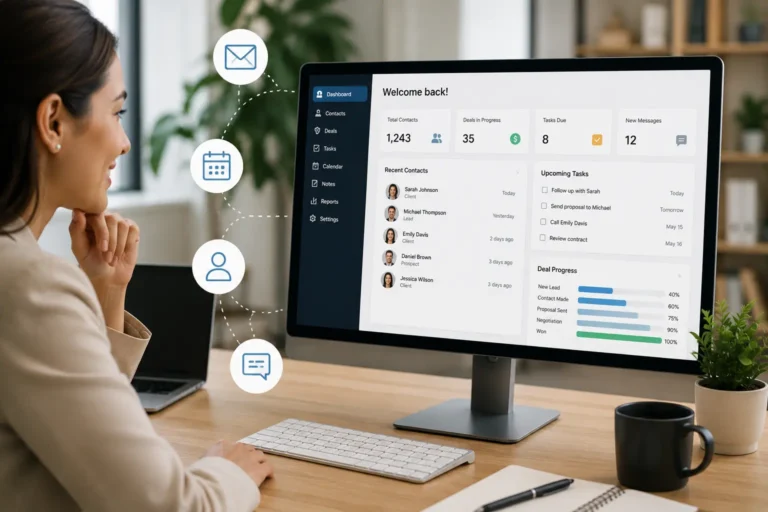
With contractor CRM software, businesses can organize leads, estimates, customer details, and sales activities in one connected system.
Quick Answer
What is a sales pipeline for small contractors?
A sales pipeline for small contractors is a system that tracks potential customers from the first inquiry through estimating, follow-up, approval, scheduling, and completed work.
Contractor CRM software helps businesses organize leads, manage customer conversations, automate follow-ups, and improve the chances of winning more jobs.
What Is a Sales Pipeline?
A sales pipeline is a visual way to track where each of your leads or job opportunities is in the buying process. It helps you stay organized and focused so that no lead falls through the cracks.
Think of it as a to-do list for your incoming jobs, but organized by status.
For example, your sales pipeline might look like this:
- New Lead: Someone just called, messaged, or filled out a form
- Follow-Up Needed: You sent a quote or need to check in
- Site Visit Scheduled: You’ve booked a walkthrough
- Quote Sent: You’ve submitted pricing
- Job Won or Lost: The client said yes or no
With a pipeline, you know exactly where each potential job stands.
| Pipeline Stage | Contractor Action |
|---|---|
| New Lead | Capture customer inquiry |
| Qualification | Confirm project details |
| Estimate Requested | Prepare pricing |
| Estimate Sent | Track customer response |
| Follow-Up | Answer questions and objections |
| Approved Job | Schedule work |
| Completed | Request review and referral |
Why Small Contractors Need a Sales Pipeline
Without a system, leads can get buried in your notes app, lost in your inbox, or forgotten altogether. That means missed opportunities, slower follow-ups, and lost revenue.
Here’s how a pipeline helps:
- Organizes your leads in one place
- Shows you what to focus on each day
- Helps you follow up faster
- Improves your closing rate over time
Even if you’re just a team of one or two, a simple pipeline can make a big difference in how much work you close.
Using CRM software helps contractors organize customer details, lead activity, estimates, and follow-up tasks in one system.
Once a lead becomes a customer, Work Management software helps contractors connect sales commitments with tasks, job updates, and completion tracking.
For appointment-based businesses, calendar software helps teams manage consultations, estimates, and job scheduling.
How Contractors Use Sales Pipelines to Manage Leads
A sales pipeline gives contractors a repeatable process for turning inquiries into completed jobs. Instead of relying on memory, teams can see which leads need attention and what action should happen next.
A contractor sales pipeline helps businesses:
- Track new customer inquiries
- Monitor estimate progress
- Follow up with interested prospects
- Prioritize high-value opportunities
- Understand where leads are being lost
When every opportunity has a clear stage, contractors can spend more time closing jobs and less time searching for information.
Sales Pipeline Software vs Spreadsheets
| Spreadsheet Tracking | CRM Sales Pipeline |
|---|---|
| Manual updates | Automated tracking |
| Easy to miss follow-ups | Follow-up reminders |
| Limited customer history | Complete lead records |
| No sales visibility | Pipeline reporting |
| Hard team collaboration | Shared information |
The Problems of Managing Contractor Leads Without a CRM
| Manual Lead Tracking Problem | Business Impact |
|---|---|
| Forgotten follow-ups | Potential jobs go cold |
| Scattered customer information | Harder sales conversations |
| No pipeline visibility | Unclear revenue opportunities |
| Manual status updates | More administrative work |
| Missed estimates | Lost potential revenue |
How Better Follow-Up Helps Contractors Win More Jobs
Many contractors lose opportunities because customers are contacted once and forgotten. A sales pipeline creates a repeatable follow-up process.
Better follow-up helps contractors:
- Respond faster to new leads
- Track unanswered estimates
- Remember customer preferences
- Prioritize high-value opportunities
- Reduce lost opportunities
- Improve closing rates
How to Build a Sales Pipeline in 4 Steps
You don’t need expensive sales tools. You just need a process you and your team can stick to.
Step 1: Define Your Pipeline Stages
Use clear, simple stages that match your actual sales process. (New Lead, Quote Sent, Job Won, etc.)
Step 2: Set Up a System to Track Leads
This can be a spreadsheet, a whiteboard, or even better, a CRM system that’s built for contractors.
Step 3: Move Leads as They Progress
Each time something changes (you send a quote or schedule a call), move the lead to the next stage so you always know what’s active.
Step 4: Review It Weekly
Spend a few minutes each week reviewing open leads, following up, and updating statuses.
Example Contractor Sales Pipeline
A simple contractor pipeline may look like:
| Stage | Example |
|---|---|
| New Lead | Customer requests bathroom remodel quote |
| Qualification | Contractor confirms budget and timeline |
| Estimate | Proposal sent to customer |
| Follow-Up | Customer receives reminder |
| Won | Job scheduled |
| Completed | Customer receives invoice and review request |
What Makes a Good Pipeline System?
For contractors, a good sales pipeline should be:
- Easy to use on your phone
- Connected to your jobs, clients, and calendar
- Built for trades, not corporate sales teams
- Able to show you a quick summary of where your money is coming from
Why Contractor CRM Software Improves Sales Pipeline Management
A contractor CRM helps businesses keep leads, customers, estimates, and follow-ups organized in one place.
Instead of tracking opportunities through spreadsheets or messages, contractors can:
- View active opportunities
- Schedule follow-ups
- Track customer history
- Monitor estimate progress
- Connect sales activity with future jobs
This creates a clearer sales process and helps contractors improve their chances of converting leads into completed projects.
Turn More Contractor Leads Into Jobs
MBP helps contractors manage leads, customers, estimates, follow-ups, schedules, and work processes in one connected platform.
Schedule a DemoRelated Contractor CRM Resources
- Contractor CRM Guide: Manage Leads, Jobs, and Follow-Ups
- How Contractors Can Improve Lead Management
- How to Connect Contractor CRM With Scheduling and Work Orders
- Build Strong Client Relationships With Efficient CRM
Sales Pipeline for Contractors FAQs
Why do small contractors need a sales pipeline?
Small contractors need a sales pipeline because it helps organize leads, track estimates, follow up with customers, and avoid losing potential jobs.
What stages should a contractor sales pipeline include?
A contractor sales pipeline should include new leads, qualification, estimates, follow-ups, approvals, scheduling, completed jobs, and customer follow-up.
How does CRM help contractor sales?
CRM software helps contractors manage customer information, track opportunities, automate reminders, and maintain communication history.
Why do contractors lose leads?
Contractors often lose leads because follow-ups are missed, estimates are forgotten, customer details are scattered, or there is no clear sales process.
Can a small contractor use CRM software?
Yes. Small contractors can use CRM software to organize leads, manage customers, track estimates, and create a repeatable sales process without needing a large sales team.
How does a sales pipeline help contractors win more jobs?
A sales pipeline helps contractors win more jobs by organizing leads, tracking follow-ups, managing estimates, and ensuring potential customers receive timely responses.
Why do contractors lose potential customers?
Contractors often lose customers because inquiries are not tracked, estimates are forgotten, follow-ups are delayed, or customer information is scattered across different tools.
What should contractor CRM software track?
Contractor CRM software should track leads, customer details, estimates, conversations, follow-ups, sales stages, and job opportunities.
Can a CRM replace contractor spreadsheets?
Yes. A CRM can replace spreadsheets by providing organized lead tracking, reminders, customer history, and pipeline visibility in one system.
MBP Makes Pipeline Tracking Simple
MyBusinessPortal.cloud comes with a built-in CRM and pipeline tracker made for small contractors. You can add leads, update their status, set reminders, and stay on top of every opportunity, all in one clean dashboard.
No spreadsheets. No extra apps. Just a faster way to win more jobs and grow your business.